For patients struggling with multiple missing teeth, failing dental work, or the daily frustration of loose dentures, full-mouth restoration can feel life-changing. Among today’s most advanced solutions, All-on-4 implants have become one of the most popular options for restoring an entire smile with fewer implants and long-term stability. But while many people focus on the final result, the success of the procedure begins long before surgery ever takes place.
The reality is simple: successful implant treatment depends heavily on planning. Patients considering all-on-4 dental implants in Summerlin often focus on the procedure itself, but detailed preparation is what determines whether the implants function properly for years to come. From evaluating bone structure to understanding bite alignment and overall oral health, proper planning is essential. So why does treatment planning matter so much before choosing All-on-4 implants?
What Makes All-on-4 Different From Traditional Dental Implants?
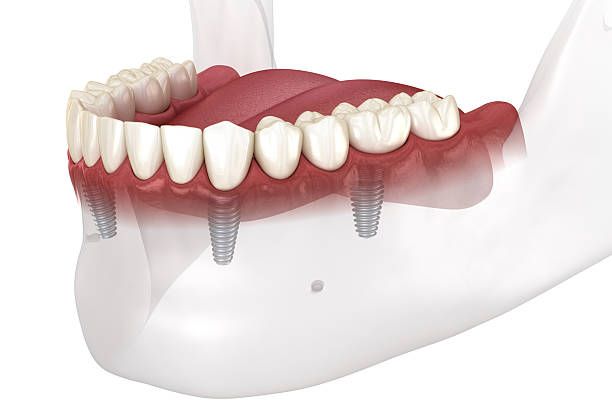
Unlike traditional implants that may require replacing each missing tooth individually, All-on-4 treatment uses four strategically placed implants to support an entire arch of replacement teeth. This technique allows patients to restore a full smile using fewer implants while maximizing available jawbone support.
Because the implants must handle the pressure of an entire arch, placement accuracy becomes far more important than standard single-tooth implant procedures. That precision starts with careful treatment planning.
Why Is Bone Evaluation So Important Before Surgery?
Strong bone support is one of the biggest factors that determines implant success. Before placing all-on-4 dental implants in Summerlin, dental professionals carefully evaluate bone density and available jawbone volume using advanced digital imaging. Patients who have experienced bone loss after missing teeth may require additional procedures before implant placement becomes possible. Without proper bone support, implants may fail to stabilize correctly over time. Identifying these issues early helps avoid complications later.
How Does Bite Alignment Affect Implant Placement?
Many patients overlook how bite alignment influences implant success. When upper and lower teeth do not distribute pressure evenly, excessive force can place unnecessary stress on implants after placement. Over time, uneven bite pressure may lead to discomfort, damage to restorations, or implant complications. Treatment planning allows providers to evaluate how the bite functions before surgery begins. This creates a more stable long-term restoration.
Can Oral Health Problems Affect All-on-4 Success Rates?
Absolutely. Patients with untreated gum disease, active infections, or significant inflammation often require treatment before implants can be placed safely. Specialists performing oral facial surgery in Summerlin typically evaluate overall oral health carefully before approving implant treatment. Addressing underlying issues first reduces infection risk and improves healing after surgery. Healthy gums and healthy bone create a stronger implant foundation.
Why Does Surgical Experience Matter During Planning?
All-on-4 implant placement requires precise surgical positioning to maximize support and long-term durability. Digital treatment planning allows surgeons to identify ideal implant angles while avoiding important anatomical structures like nerves and sinus cavities.
Providers experienced in oral facial surgery in Summerlin use advanced imaging and surgical planning tools to improve placement accuracy and reduce unnecessary complications. Better planning often leads to smoother procedures and faster recovery.
Is Treatment Planning the Key to Long-Term Implant Success?
The answer is yes. While all-on-4 dental implants in Summerlin offer one of modern dentistry’s most effective full-mouth restoration solutions, the procedure is only as successful as the planning behind it. Careful evaluation of bone health, bite function, oral health, and surgical precision all determine whether implants remain stable for years to come. In implant dentistry, the strongest results always begin with the right plan.